- skco@brazing.co.kr
- 82-31-534-2511/2
Aluminum Brazing Filler Metals
Sunkwang AMPA Co., Ltd. offers aluminum brazing materials, specifically the ‘SKA Series’ and ‘SU Series’, which contain non-corrosive flux. By addressing and improving several issues associated with conventional brazing processes, these materials significantly reduce defect rates. They achieve this by shortening the overall process, minimizing harmful gas emissions, and enabling full automation, thereby dramatically enhancing brazeability and operational efficiency. The quality of these materials has been validated by both domestic and international companies and research institutions, and they are widely utilized across various industries.
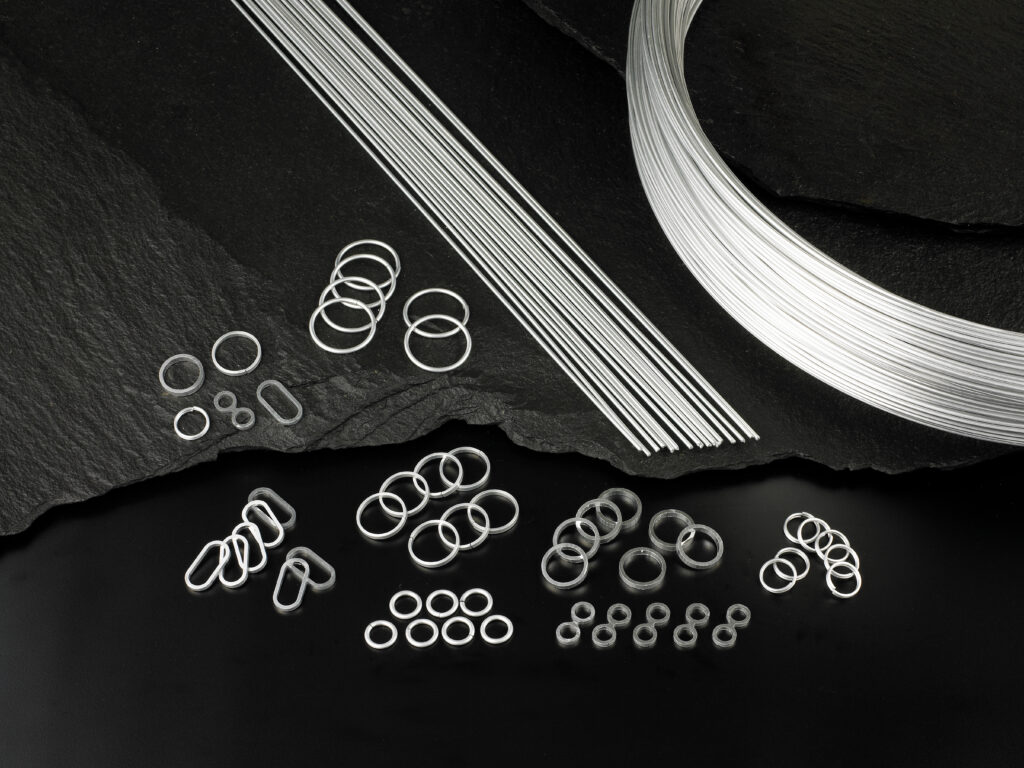
The ‘SKA Series’ and ‘SU Series’ also allow for easy adjustment of flux amounts and specific components based on working conditions, such as brazing design and working temperature. Additionally, these materials can be processed into various forms, including rings, rods, wires, and paste. We also manufacture a range of diameters and thicknesses tailored to each product type.
SKA Series
SKA series aluminum brazing filler metals contain a homogeneous blend of filler alloy and flux, delivering consistent composition and reliable brazing performance.
SKA products are powder-molded using an optimized, tightly controlled particle size to reduce oxidation and maximize wettability and brazeability. In many applications, pre- and post-brazing cleaning can be eliminated, reducing the need for chemicals and preventing wastewater generation (e.g., sulfuric and nitric acid). By avoiding chlorine (Cl)-related contamination risks, SKA helps support a cleaner, safer work environment and minimizes environmental impact.
Clean Working Environment
With conventional brazing materials, flux application relied heavily on the operator, often leading to inconsistent results. Too little flux can lead to oxidation during brazing, resulting in poor penetration and unstable joints. Too much flux can leave unattractive residues and drive up defect rates.
Moreover, traditional fluxes that include chlorine (Cl) typically require additional post-processing—such as water or acid washing—adding time, labor, and cost.
Sunkwang AMPA Co., Ltd.’s SKA products remove these bottlenecks by eliminating separate flux dipping and minimizing post-cleaning, enabling cleaner operations, fewer defects, and lower total processing cost.
Reduced Defect Rate
By providing precise flux control matched to the brazing process, SKA products support brazing that meets required standards and help minimize defects.
Variety of Product Shapes
SKA products are available in a variety of forms, making them easy to apply in areas where brazing is difficult.
Productivity Improvement / Process Automation
Production efficiency can be improved by eliminating the separate flux-application step and automating the brazing process based on application requirements and process conditions, reducing overall cycle time.
Manual Brazing Working Conditions
Cleaning before assembling parts ⇒ Assembling parts (gap 0.1~0.15mm, expansion depth 7~10mm) ⇒ Preheating assembled parts ⇒ Brazing by bringing the SKA product into contact with the gap at the brazing joint of the assembled parts.
SKA Series Nomenclature
SU Series
This product fully overcomes the limitations of conventional flux-cored wires and delivers markedly improved joining performance. Wire bursting and bending during automatic brazing have been eliminated. By preventing flux leakage and spatter, it helps maintain a cleaner work environment and reduces workers’ exposure to hazardous conditions.
The newly developed process maximizes flux effectiveness during brazing, improving wetting and enhancing filler-metal flow, resulting in more stable, consistent joint formation.
SU-TC(IC) 150 performs reliably at low temperatures (425–490°C) and enables robust joining of dissimilar metals, including Al–Cu, Al–brass, and Al–stainless steel (STS).